Capture
Ambient air is drawn into the system through an engineered airflow path.

A closer look at turning atmospheric moisture into a dependable water resource for people, places and operations.
Atmospheric water generation brings together air movement, condensation and treatment in a local system. The right approach depends on climate, intended use, site conditions and the evidence behind each design.
Explore the technologyEvery project begins with local conditions. Temperature, humidity, air quality and water demand shape how an atmospheric water system should be evaluated.
Ambient air is drawn into the system through an engineered airflow path.
Moisture is collected as conditions allow, using a controlled condensation process.
Collected water is treated according to the system design and its intended application.
Water is stored or supplied for the use case defined for the project.
Explore decentralized water options for homes, hotels and guest environments.
Evaluate atmospheric water generation for workplaces and service environments.
Consider local conditions, logistics and demand when planning resilient water systems.
Illustrative application areas. System availability and suitability must be confirmed for each project.
Product images are illustrative renderings based on supplied material. Confirm final appearance and performance against the delivered model and site conditions.
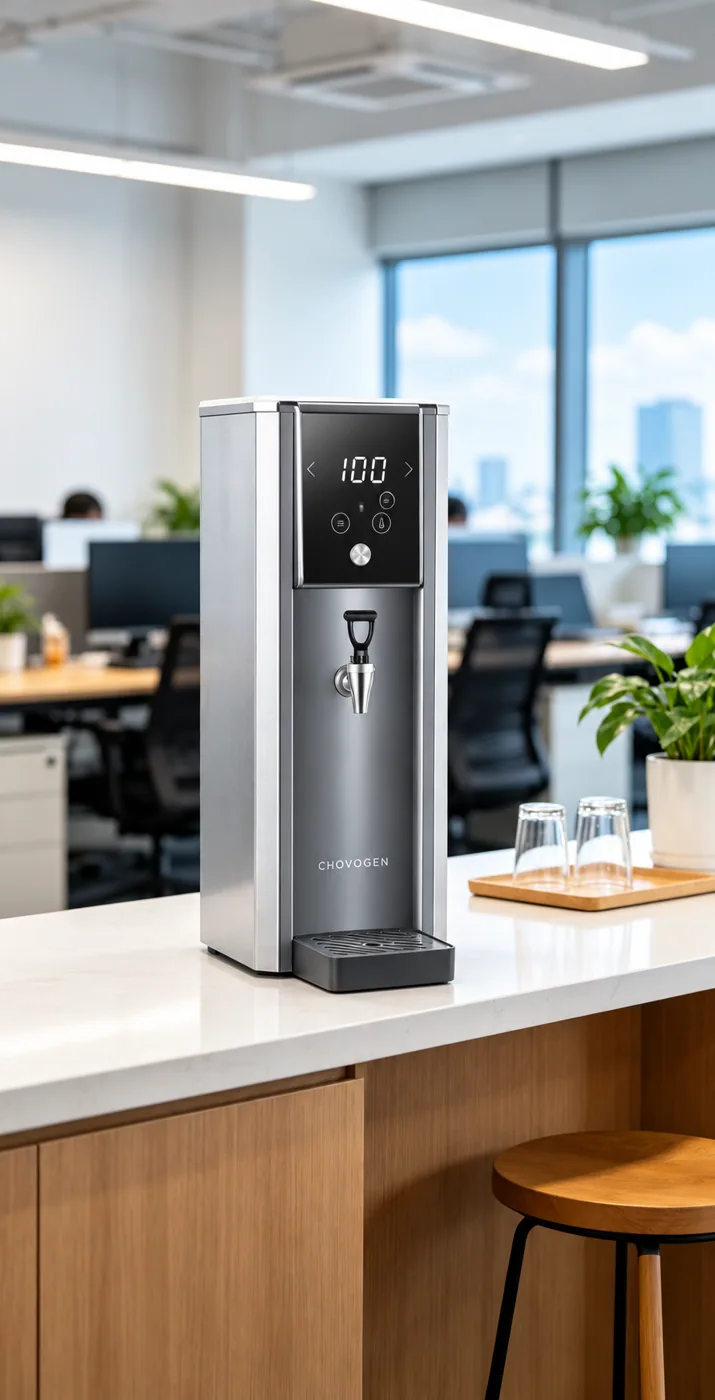
A compact 10 L/day model for household and small-space use. Rated output is stated at 15–40°C and 35–95% relative humidity.
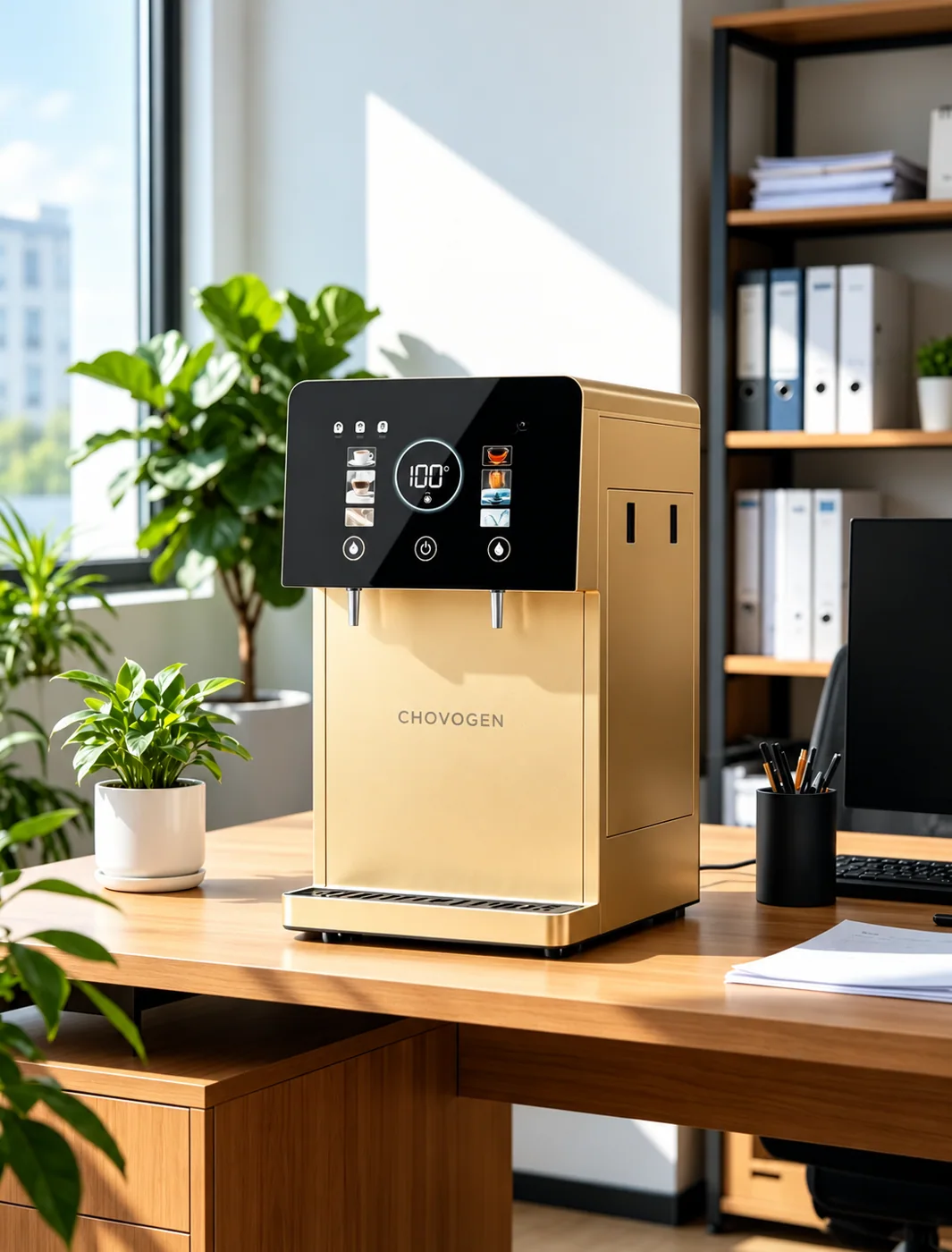
A 16 L/day dispenser-style model. Output figures in the supplied brochure use 15–40°C and 35–95% relative humidity.
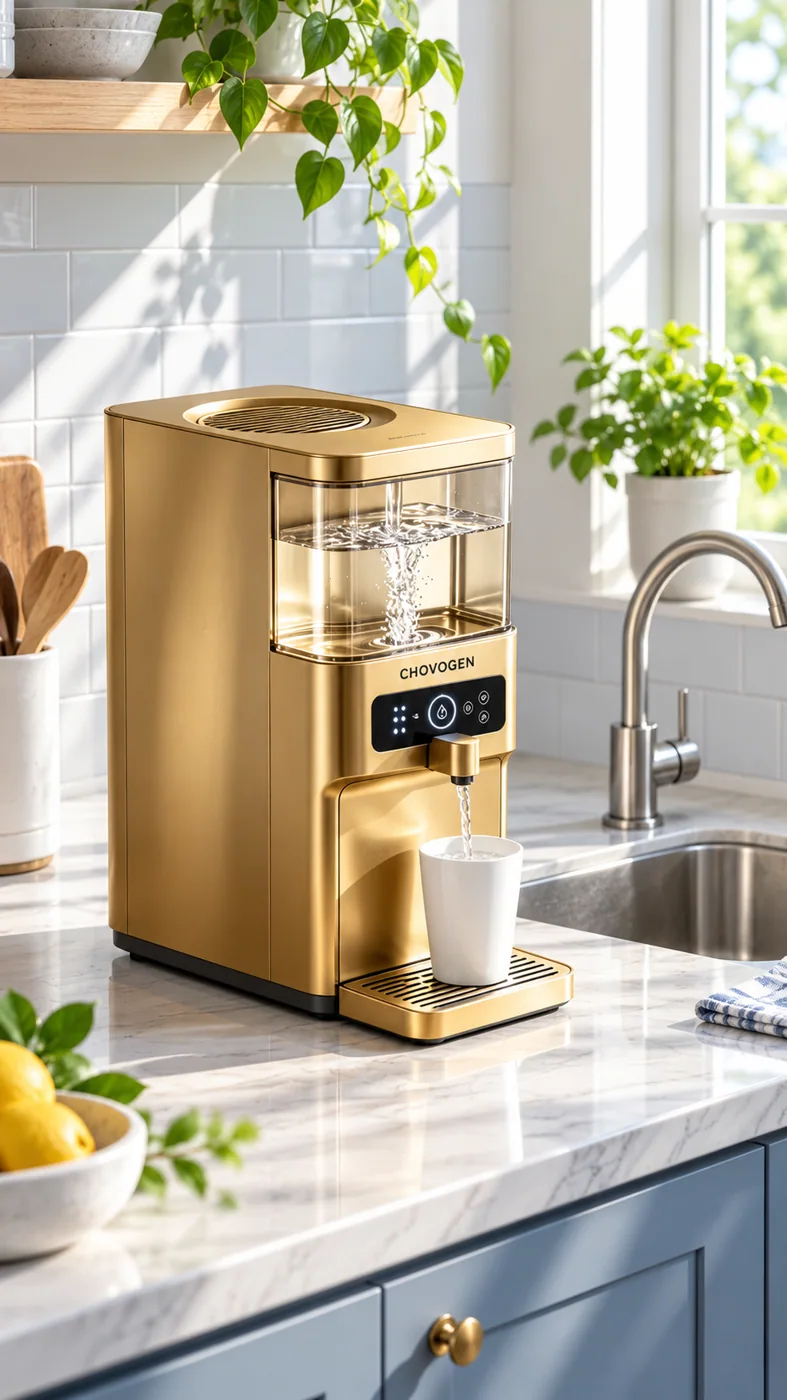
A 16 L/day variant with an 8 L tank. Confirm the current configuration and electrical requirements for the destination market.
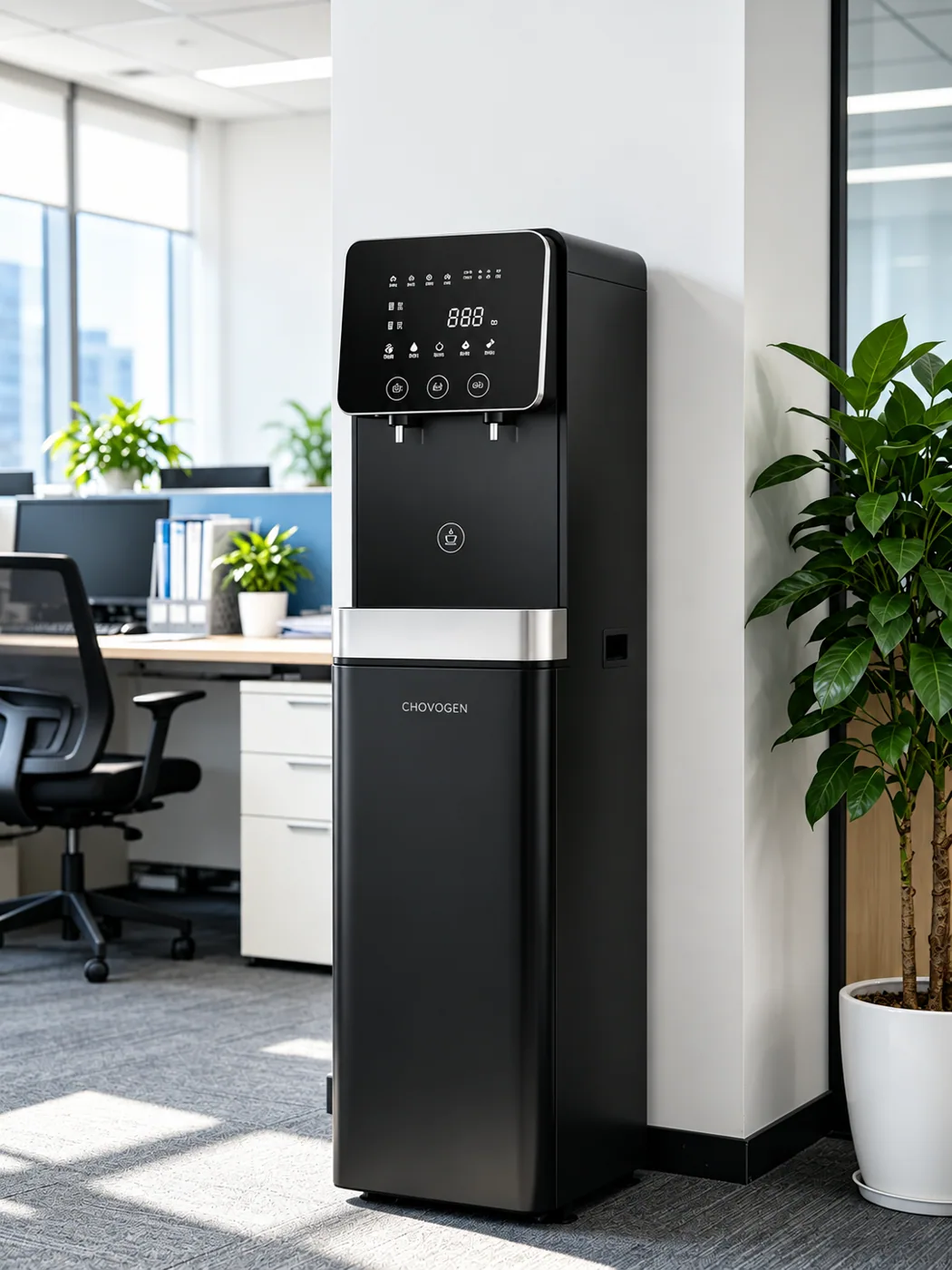
A 20 L/day model with a 12 L tank, listed for 15–40°C and 35–95% relative humidity.
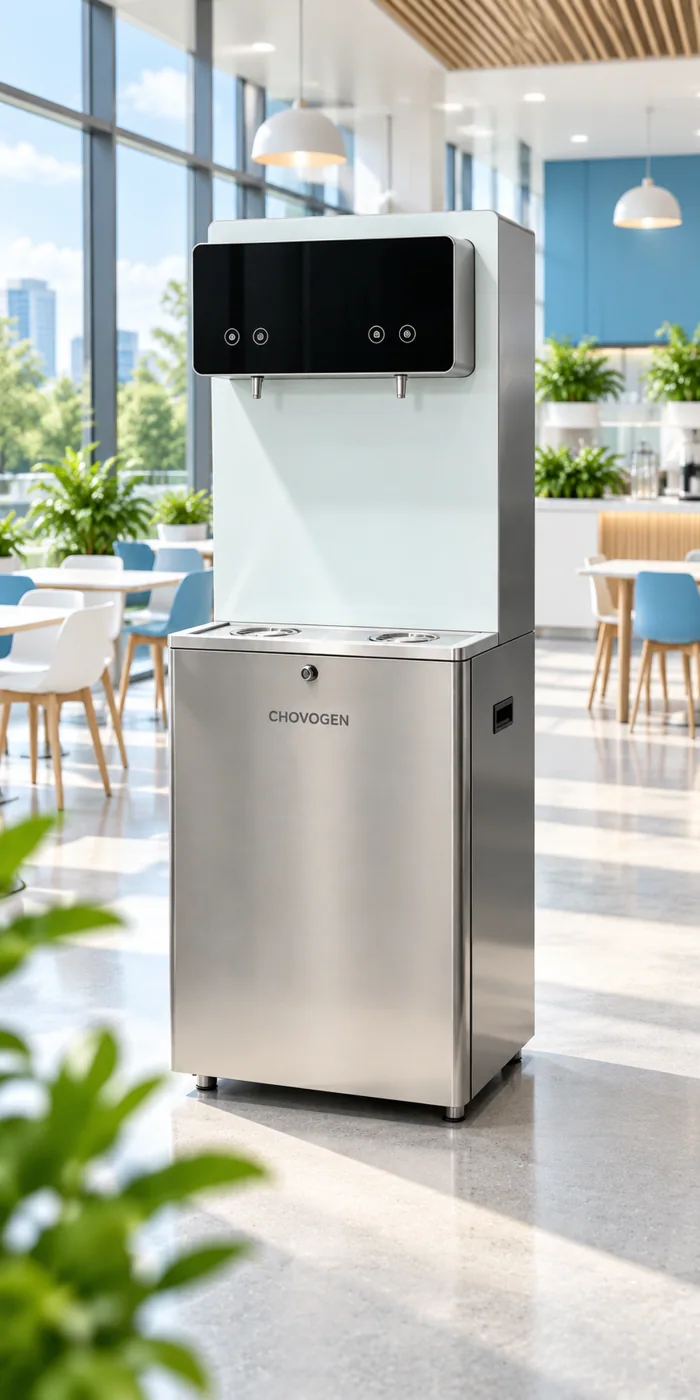
A 50 L/day commercial model with a 23 L tank. Actual output depends on site temperature, humidity and operating conditions.
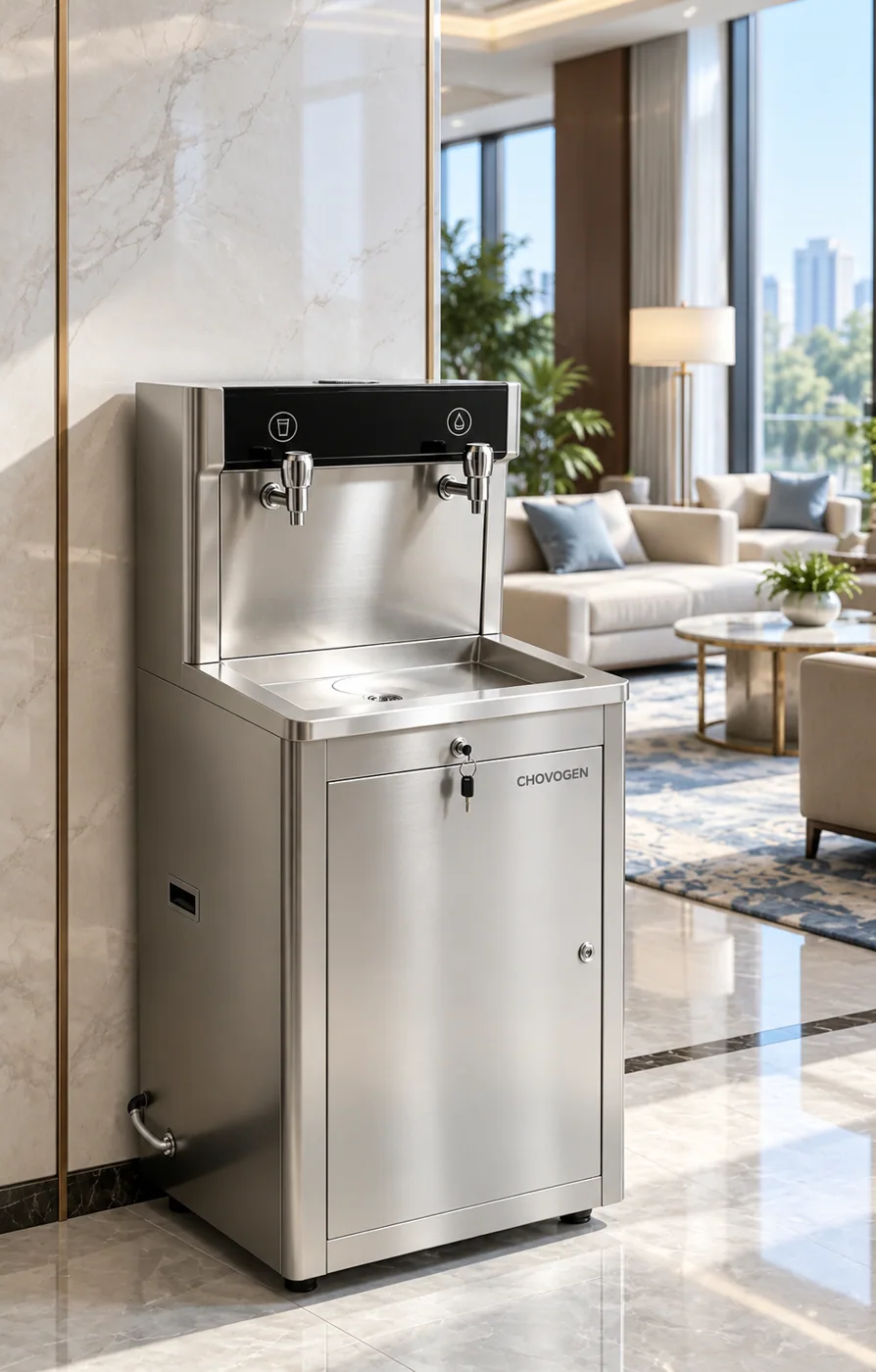
A 50 L/day variant with a 23 L tank. The brochure lists 800 W water-making power and 900 W total power.
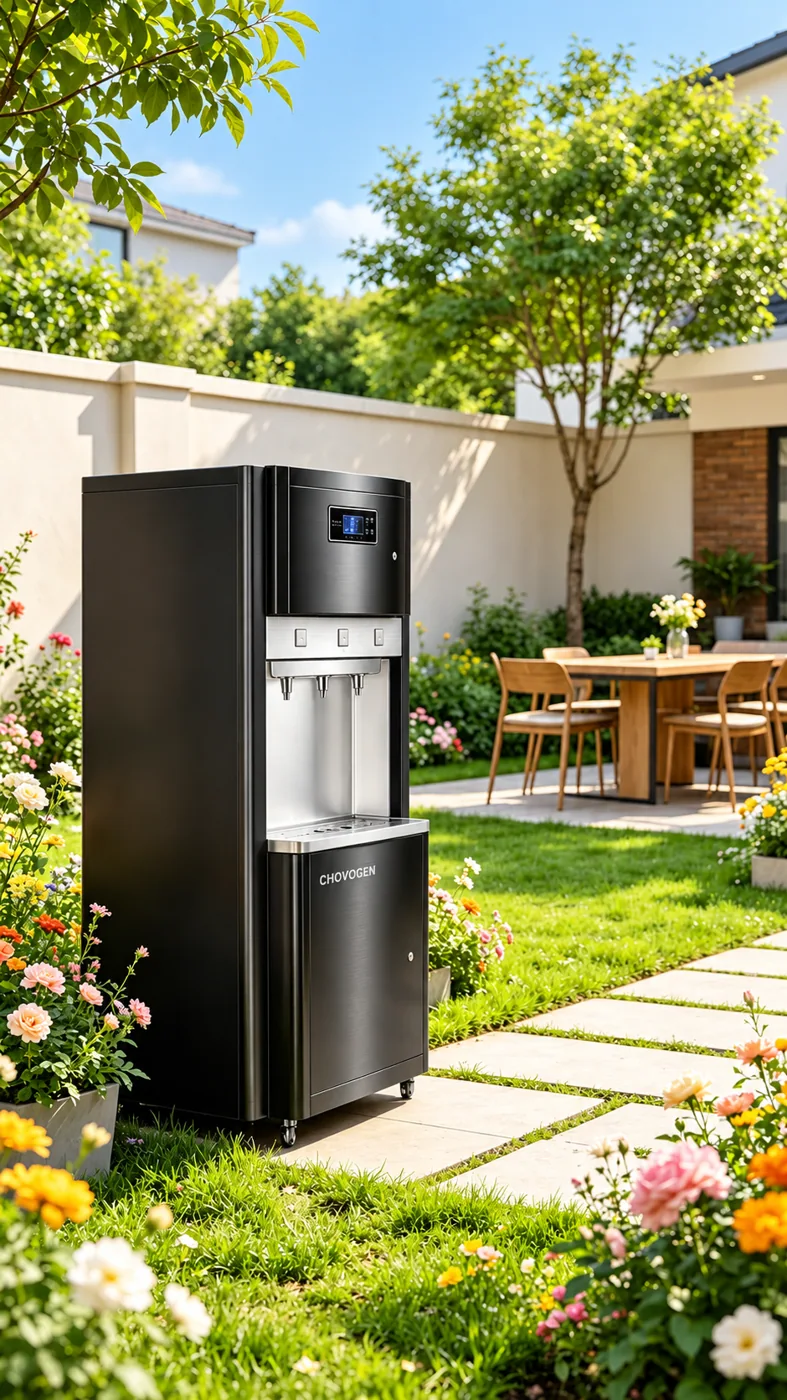
A 70 L/day commercial model with a 35 L tank, listed for 15–40°C and 35–95% relative humidity.
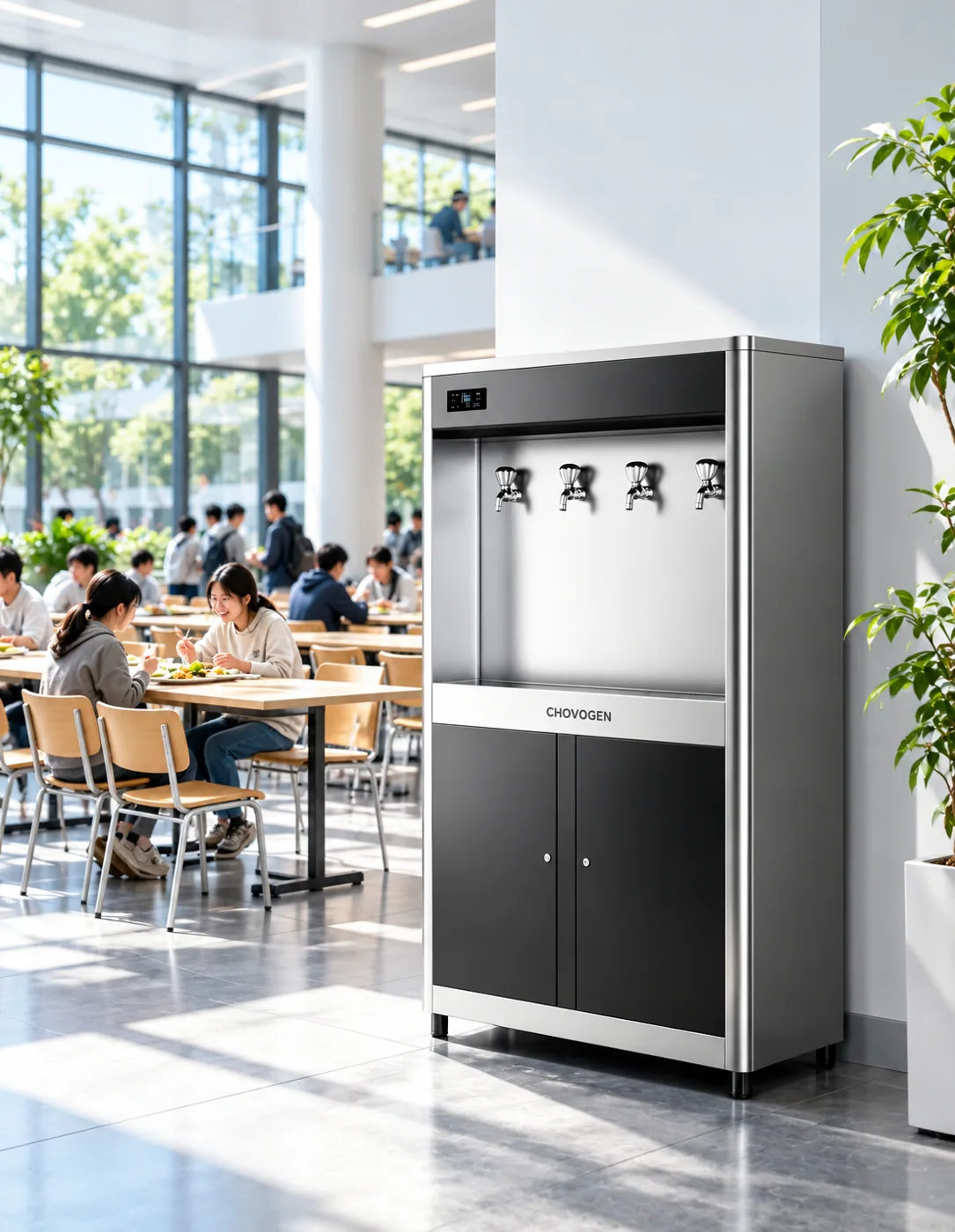
An 80 L/day commercial model with a 45 L tank, listed for 15–40°C and 35–95% relative humidity.
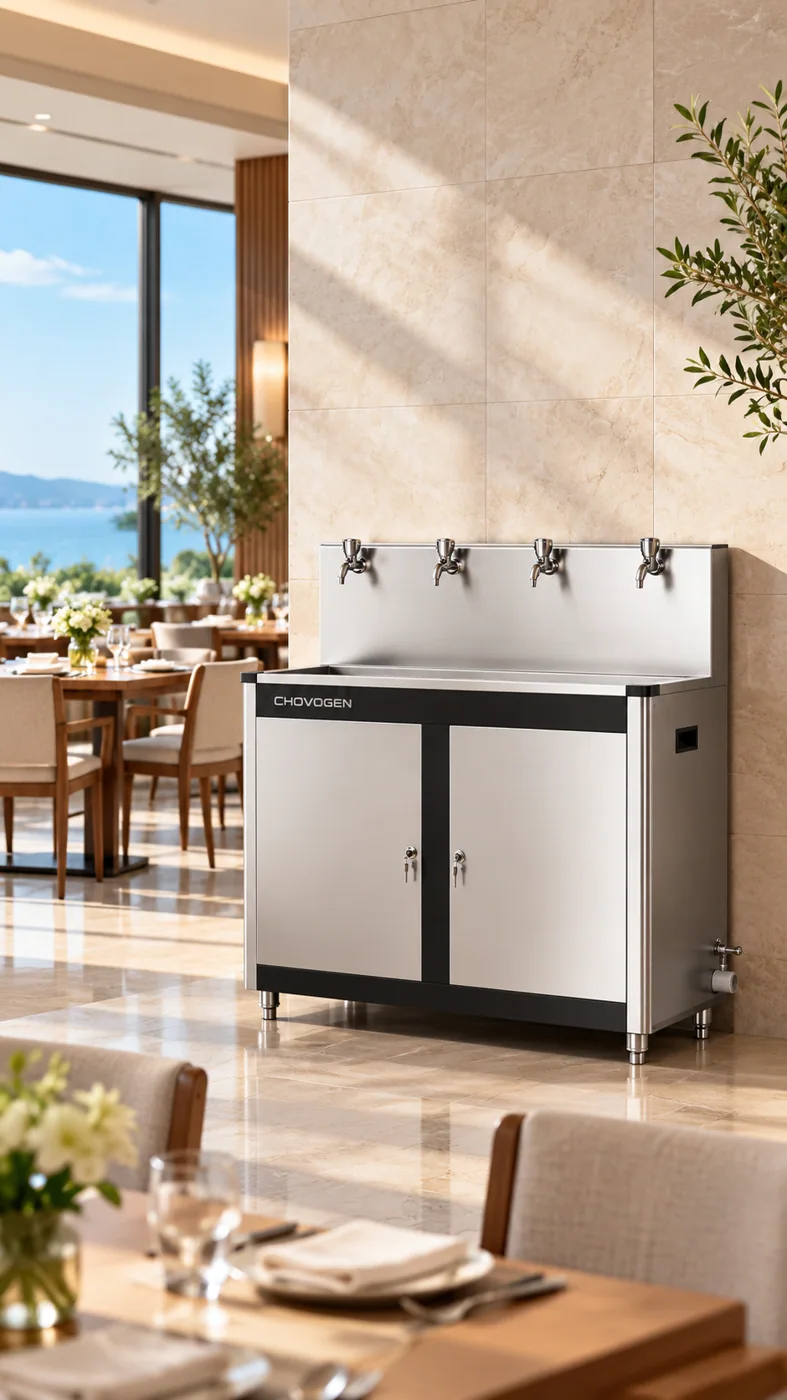
A 100 L/day model with a 75 L tank. Please confirm voltage and test conditions for the final configuration.
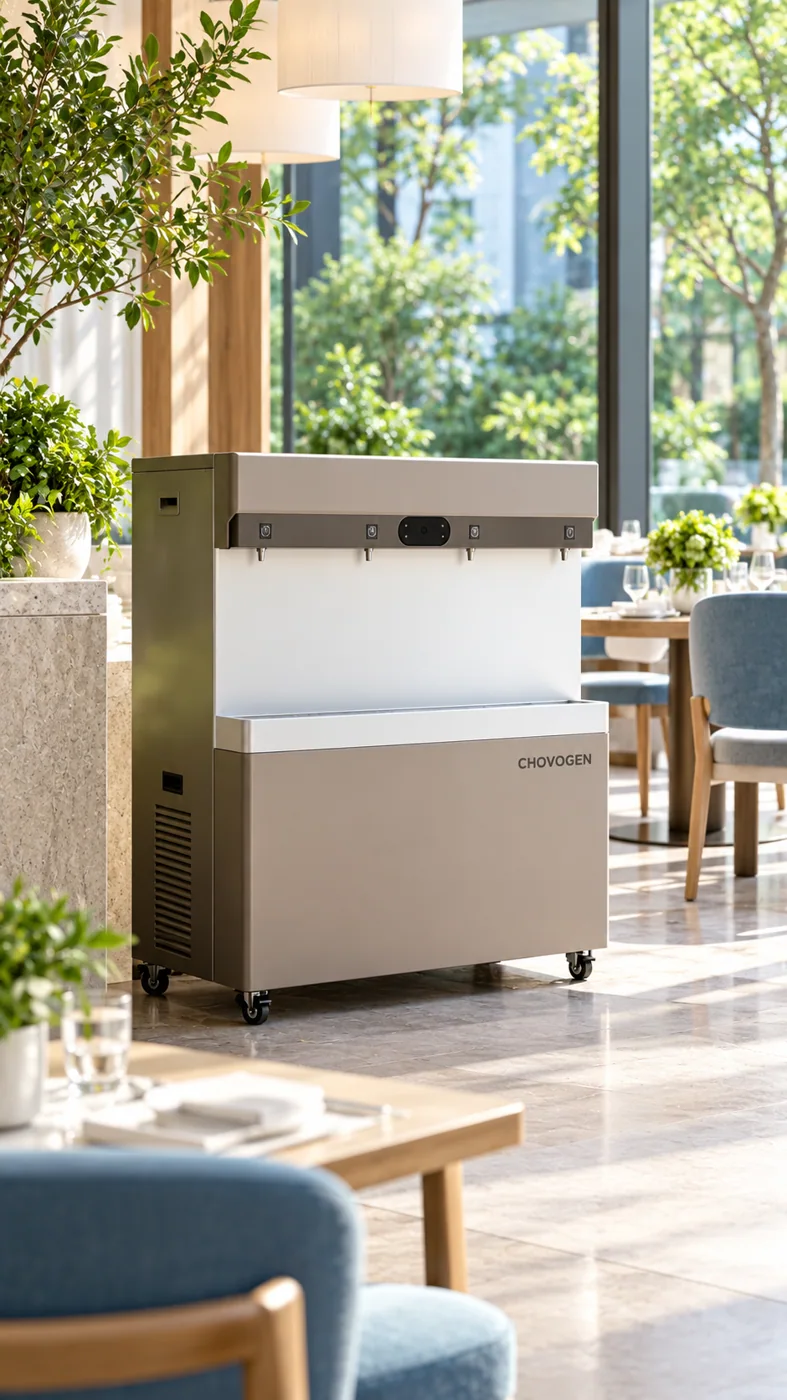
A 100 L/day variant with a 55 L tank. The brochure also reuses this model code for a 1,000 L/day unit, so this record follows the 100 L specification page.
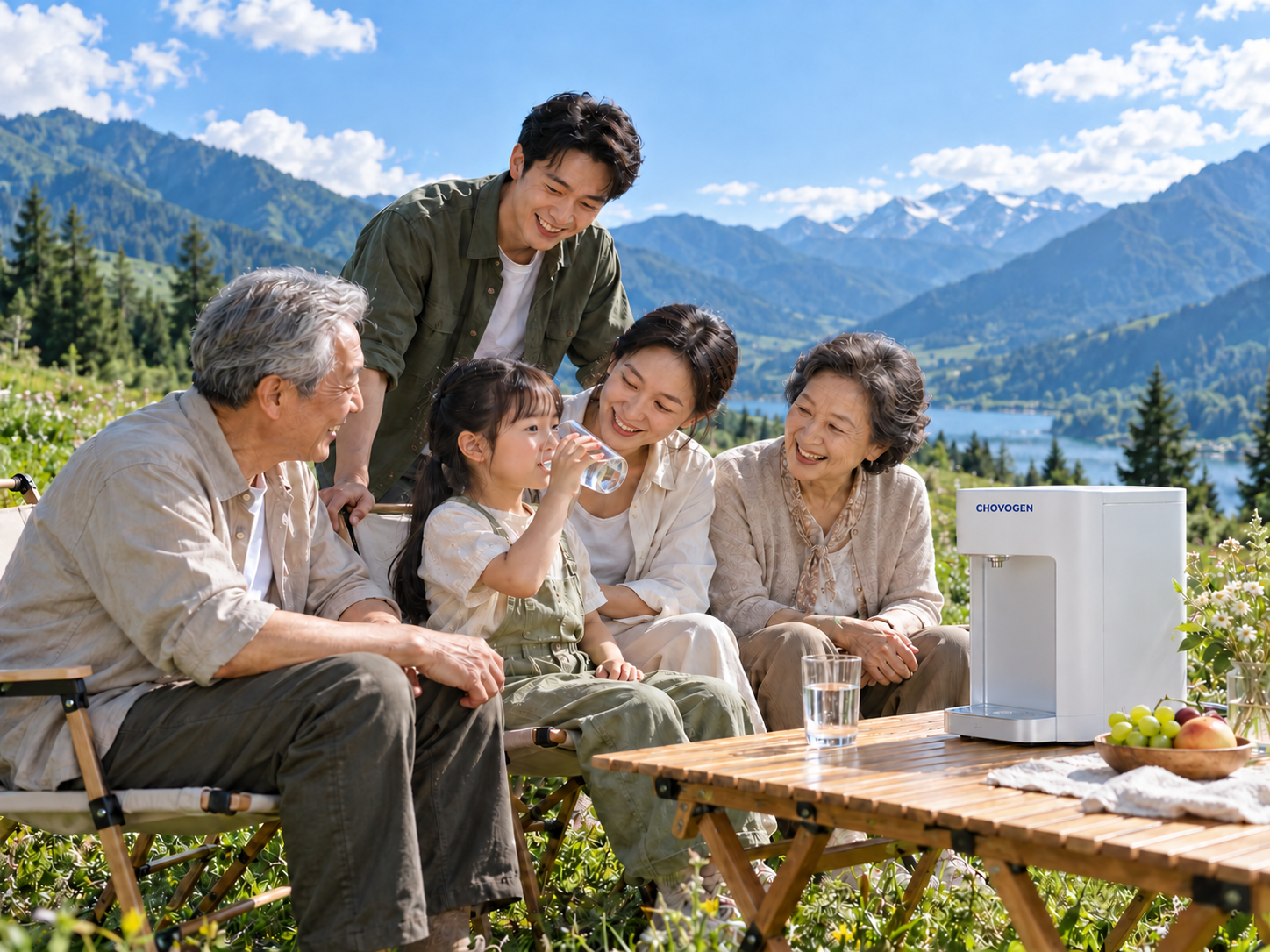
Good water decisions start with good questions.
Daily output is only one part of a system. Climate profile, energy use, treatment requirements, maintenance and water-quality verification all belong in the conversation.
CompanyIt is a process that collects moisture from ambient air and treats the resulting water for a defined use. System design and operating conditions matter.
No. Output depends on factors such as temperature, relative humidity, equipment configuration and operating settings. Compare figures only when their test conditions are stated.
Review the local climate, water demand, available energy, intended use, treatment requirements, maintenance plan and verified product data.
Share your application, location and water demand. A project discussion can begin with the conditions that matter most.